
Quick Check Summary
If you're short on time, use this high-level summary to catch the most critical red flags during your initial viewing. These items represent the highest risk to your wallet.
| Category | What to Check | Red Flag (Walk Away) |
|---|---|---|
| Exterior | Panel Gaps & Paint | Mismatched colors or uneven gaps |
| Engine | Fluid Colors | Milky oil (head gasket) or burnt trans fluid |
| Tires | Tread Wear | Uneven wear (suspension/alignment issues) |
| Interior | Electronics | Warning lights that stay on after start |
| History | Used Car Report | Salvage title or odometer rollback |
| Drive | Transmission | Slipping gears or delayed engagement |
The Visual Walkaround
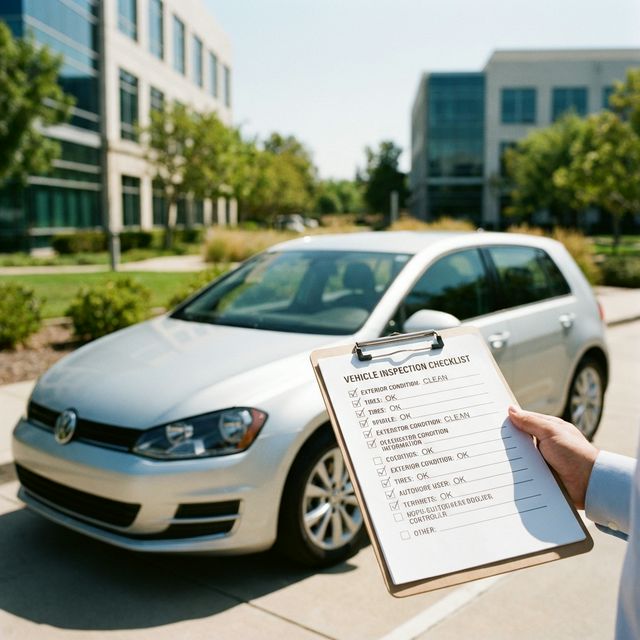
Before you even start the engine, you need a used car checklist for the exterior. Start with the 'panel gap' test—if the space between the hood and the fender is wider on one side than the other, the car has likely been in an accident. Look at the tires; uneven wear across the tread suggests alignment or suspension issues that a seller might be trying to hide.
Check the fluid levels. Oil that looks like chocolate milk is a sign of a blown head gasket. Transmission fluid should be red and clear, not black or burnt-smelling. These are the basic indicators of how the previous owner cared for the machine.
Interior and Electronics Audit
The cabin tells the story of the car's daily life. Reach out and press every button, toggle every switch, and verify the operation of the climate control systems. A failing air conditioning compressor can cost upwards of $1,000 to replace, so ensure it blows cold air within 30 seconds of activation.
Check the upholstery for more than just aesthetics. Damp floors or a musty odor are signs of a leaking sunroof or, worse, flood damage that might not have made it onto a used car report yet. If the infotainment system is slow or the backup camera flickers, these are leverage points for negotiation.
The Test Drive Strategy
A test drive shouldn't just be a loop around the block. You need to simulate real-world conditions. Turn off the radio so you can hear the suspension working over bumps and the engine revving cleanly through the gears. If the steering wheel vibrates at highway speeds, you're likely looking at an unbalanced tire or a bent rim.
Test the brakes in a safe, open area. They should feel firm, and the car should stop in a straight line without pulling to one side. Listen for any screeching or grinding. These physical feedback loops are much more reliable than what a salesperson might tell you about the car's condition.
Advanced Checks Under the Hood
Once the engine is warm, pop the hood again. Look for fresh oil seepage around gaskets or cooling fans that fail to kick on. While you are there, check the battery terminals for corrosion and look at the date code on the battery; anything older than four years is a maintenance item you will need to address soon.
A comprehensive used car report, or a check against the official NHTSA recall database, will mention major recalls, but it won't show you if the previous owner neglected a small plastic coolant pipe that is known to fail on specific models. This is where your research into common failure points pays off during the physical inspection.
Auditing the Service History
Formal documentation is the backbone of a safe purchase, a principle echoed by the FTC's guide to buying a used car. A stack of paper receipts is worth its weight in gold, but in 2026, most records are digital. Accessing a thorough used car report provides a verified timeline of oil changes, brake replacements, and major repairs. Contrast these records with the physical wear you see on the car.
If the report shows a 'clean title' but the front bumper has a slightly different shade of paint than the hood, trust your eyes. Not every minor collision is reported to insurance, and a meticulous private seller will usually be honest about minor repairs if you present the evidence politely.
Closing the Deal with Confidence
The final step in your used car checklist is the 'walk away' test. If the seller pressures you to skip a mechanic's inspection or if the data in the report doesn't match the car's current state, be prepared to leave. There is always another car, but there isn't always another $20,000 in your bank account.
Use the findings from your inspection to justify a lower price. If the tires need replacing in 5,000 miles, that is a legitimate cost you should negotiate. Buying a used car is a business transaction, and being informed with both physical and digital data makes you the strongest negotiator in the room.