
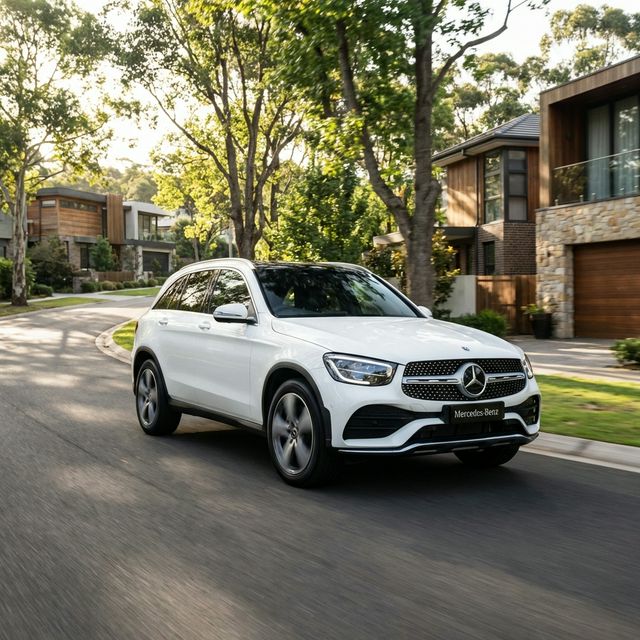
The Best-Seller: X253 Generation (2016–2022)
The first-generation GLC (X253) is a masterclass in interior design and comfort. However, early models from 2016-2018 are known for 'tyre crabbing'—a skipping or juddering sensation during tight turns in cold weather. While Mercedes released updated steering knuckles to address this, many used examples still exhibit the behavior.
Mechanically, the OM654 diesel engine is a reliable workhorse, but the 9G-Tronic transmission needs fresh fluid every 60k miles to avoid jerky shifts. If the car is equipped with Airmatic suspension, inspect it thoroughly, as leaks are common once the vehicle crosses the 5-year mark.
- Check for uneven front tyre wear (sign of crabbing issues).
- Verify the infotainment screen for 'delamination' or touch faults.
- Ensure the NOx sensors on diesel models have been replaced if required.
The Tech Powerhouse: X254 Generation (2023–Present)
The all-new X254 GLC brings a massive vertical touchscreen and standard mild-hybrid powertrains across the range. While it's too early to judge long-term reliability, early adopters have reported software glitches with the MBUX system and intermittent issues with the 48V mild-hybrid battery.
The refinement is significantly higher than the previous model, but the reliance on touch controls for almost every function means any electronic failure could be significant. A full diagnostic scan is mandatory for these high-tech machines.
- Confirm the 48V battery has the latest firmware updates.
- Check the vertical screen for responsiveness and heat levels.
- Test the rear-axle steering (if equipped) for smooth, silent operation.
GLC Specific Maintenance Priorities
The GLC is a heavy car, and its brakes and suspension bushings take the brunt of that weight. Expect to change brake pads and discs more frequently than on a C-Class. If you frequent unpaved roads, the front control arm bushings are a common wear item that can cause clunking over bumps.
For 4MATIC (All-Wheel Drive) models, the transfer case fluid is often overlooked. We recommend changing it every 40k–50k miles to prevent 'shuddering' that can eventually lead to a very expensive mechanical failure.
- Listen for front-end clunks over speed bumps.
- Verify clear operation of the reversing camera (motorized on facelift models).
- Check all four wheels for 'kerb rash'—repairs for AMG-line alloys are costly.