
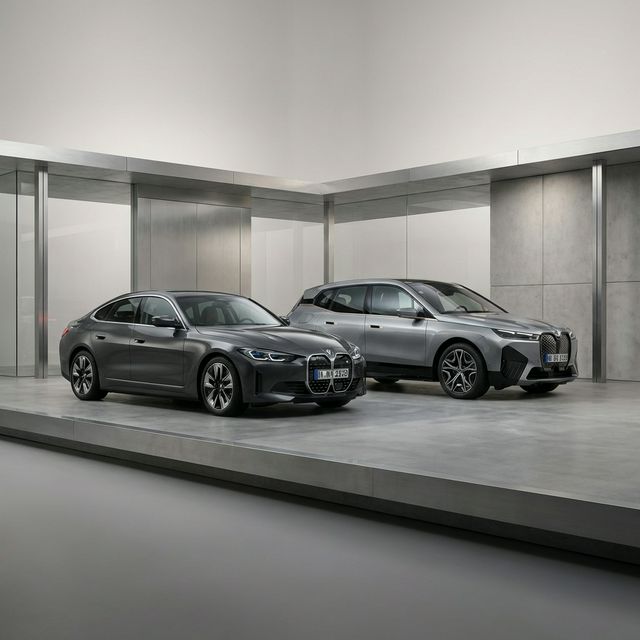
What to Evaluate on a Used BMW EV
EVs are simpler mechanically, but software, charging, and battery condition become the key factors. The i4 is a dedicated EV platform based on the 4 Series Gran Coupe, while the iX is a purpose-built flagship EV with innovative construction. BMW USA provides EV-specific warranty details.
Battery degradation is the primary concern for used EVs. BMW warranties the battery for 8 years or 100,000 miles, but degradation varies based on charging patterns and climate exposure.
i4 vs iX: Key Differences
The i4 offers familiar BMW sedan styling with practical hatchback access. The Gran Coupe platform provides decent rear seat space and a usable trunk. It's the more practical daily driver.
The iX pushes design boundaries with its bold styling and sustainable interior materials. The cabin is expansive with a floating center console design. However, the innovative design means higher repair costs if damaged.
| Factor | BMW i4 | BMW iX |
|---|---|---|
| Starting price (new) | $52-70k | $85-110k |
| Battery size | 83.9 kWh | 111.5 kWh |
| Range (WLTP) | 270-300 miles | $85-110k |
| 0-60 mph | 3.7-5.7 sec | 3.0-4.4 sec |
| Platform | CLAR-based | Purpose-built |
Common Issue Areas
The iX has experienced some early software glitches affecting the infotainment and driver assistance systems. Most issues have been addressed via over-the-air updates, but verify the car has all current updates installed.
Charging system issues have been reported, particularly with the 11kW onboard charger. Listen for unusual noises during charging and verify the charge port door operates smoothly.
| Component | i4 Notes | iX Notes |
|---|---|---|
| Battery | Solid, well understood | Larger capacity, newer tech |
| Infotainment | iDrive 8, generally stable | iX-specific, more features |
| Charging | 11kW standard | 11kW standard, 22kW option |
| Suspension | Standard steel | Air standard on xDrive50 |
Cost Drivers to Watch
Repair costs can spike when sensors, screens, or charging systems fail. Inspect those carefully during a test drive. The iX's body structure uses carbon fiber reinforced plastic, which affects repair procedures and costs.
Insurance costs for EVs are typically higher due to repair complexity. Get insurance quotes before committing to purchase. The iX, with its advanced driver assistance sensors, will be in a higher insurance tier.
- Charging port and cable condition.
- Cooling system for the battery.
- Interior electronics and displays.
Battery Health Verification
Request a battery health report from a BMW dealer or use a third-party OBD adapter to read battery management system data. Look for State of Health percentage - below 90% may indicate faster degradation.
Check charging history if available - frequent DC fast charging accelerates degradation. Also check for any stored fault codes related to the battery management system.
| Battery Health | Estimated Range Loss | Recommendation |
|---|---|---|
| 95-100% | Minimal | Excellent buy |
| 90-95% | 5-10% | Good value |
| 85-90% | 10-15% | Negotiate discount |
| Below 85% | 15%+ | Consider battery replacement cost |
Who It Fits Best
The i4 and iX are best for buyers with reliable home charging who want lower daily running costs. If public charging is your only option, plan for more variability. The i4 offers a more traditional BMW driving experience with EV economics.
Look for examples with documented home charging, preferably with Level 2 home charger inclusion. Avoid cars with multiple owners who may have relied solely on public charging.