
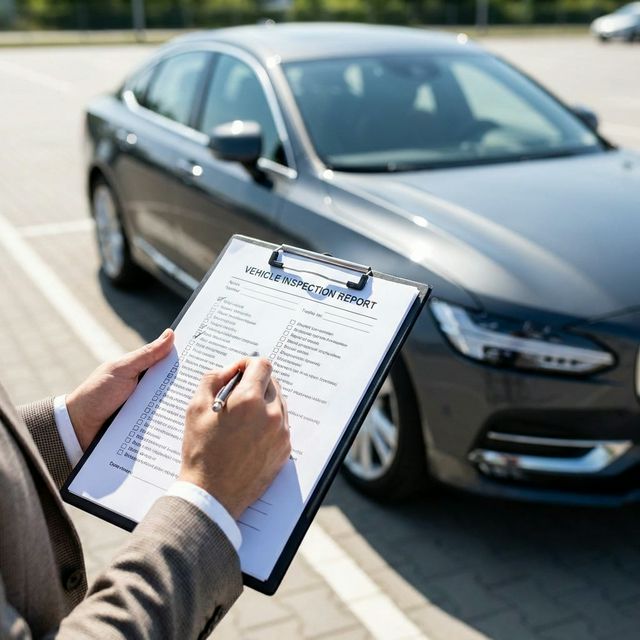
1. The Pre-Inspection Download
Before you even step foot on a dealer's lot or meet a private seller, you need the right tools. A mental note isn't enough; you need a physical or digital document to track your findings. We have created a comprehensive, printable checklist that you can take with you.
📥 Download the PDF Used Car Checklist Here
Print this out, attach it to a clipboard, and check the boxes as you work through the vehicle. It not only keeps you organized but also signals to the seller that you are a serious, educated buyer.
2. The Cold Start and Fluids
Always ask the seller to leave the engine cold before you arrive. A cold start reveals issues that vanish once the metal components expand with heat. Listen for timing chain rattle, lifter tick, or squealing belts the moment the engine turns over.
While the engine is still cold (before starting), check the vital fluids. Pull the oil dipstick; the oil should be brown or black, but never milky (which indicates a blown head gasket). Transmission fluid should be reddish/pink, not black or burnt-smelling. Modern synthetic fluids last longer, but neglect is always visible on the dipstick.
3. Exterior and Structural Integrity
A shiny paint job can hide a violent past. You need to look past the wax and focus on the structural geometry of the car.
- Panel Gaps: Ensure the spaces between the hood, fenders, and doors are completely uniform. Uneven gaps are a primary indicator of a collision repair.
- Paint Consistency: Look down the side of the car in the sunlight. If one door looks slightly duller or has an 'orange peel' texture while the rest of the car is smooth, it has been repainted.
- Tire Wear: Check all four tires. Uneven wear on the inside or outside edge points to serious suspension or alignment issues.
4. Interior and Electronics Audit
The interior is where you will spend all your time, and modern cars are essentially rolling computers. A broken infotainment screen can cost as much to replace as an engine rebuild on an older car.
Press every single button. Verify that the air conditioning blows cold within 30 seconds. Check the heated seats, the sunroof operation, and every window switch. Furthermore, plug an OBD2 scanner into the port under the dashboard to check for hidden error codes. According to the Federal Trade Commission's Used Car Rule, buyers have the right to an independent inspection; use it.
5. The Test Drive Protocol
The test drive is the most critical part of your used car checklist. Turn the radio completely off. You need to hear the car, not the stereo.
- Transmission Shifts: Whether automatic or manual, shifts should be crisp and confident. Look out for delayed engagement when shifting from Park to Drive.
- Braking Test: On an empty road, brake firmly from 50 mph. The car should stop in a straight line without the steering wheel vibrating.
- Suspension Check: Drive over a rough patch of road or speed bumps. Listen for clunks, squeaks, or excessive bouncing.
6. Verifying the Paperwork
A car is only as good as its history file. Always request the service records and cross-reference the VIN (Vehicle Identification Number) with a trusted history report provider. You should also check the NHTSA Recall Database to ensure there are no open safety recalls on the specific vehicle.
If the seller claims the timing belt was replaced 10,000 miles ago, ask to see the receipt. In the used car market, if it isn't documented, it didn't happen.